

Office Hours
Monday–Friday,
11:00 a.m.–5:00 p.m.

Location
33 Psaromiligou Str, Kerameikos TK 10553, Athens

Support Us
Support our company with a donation
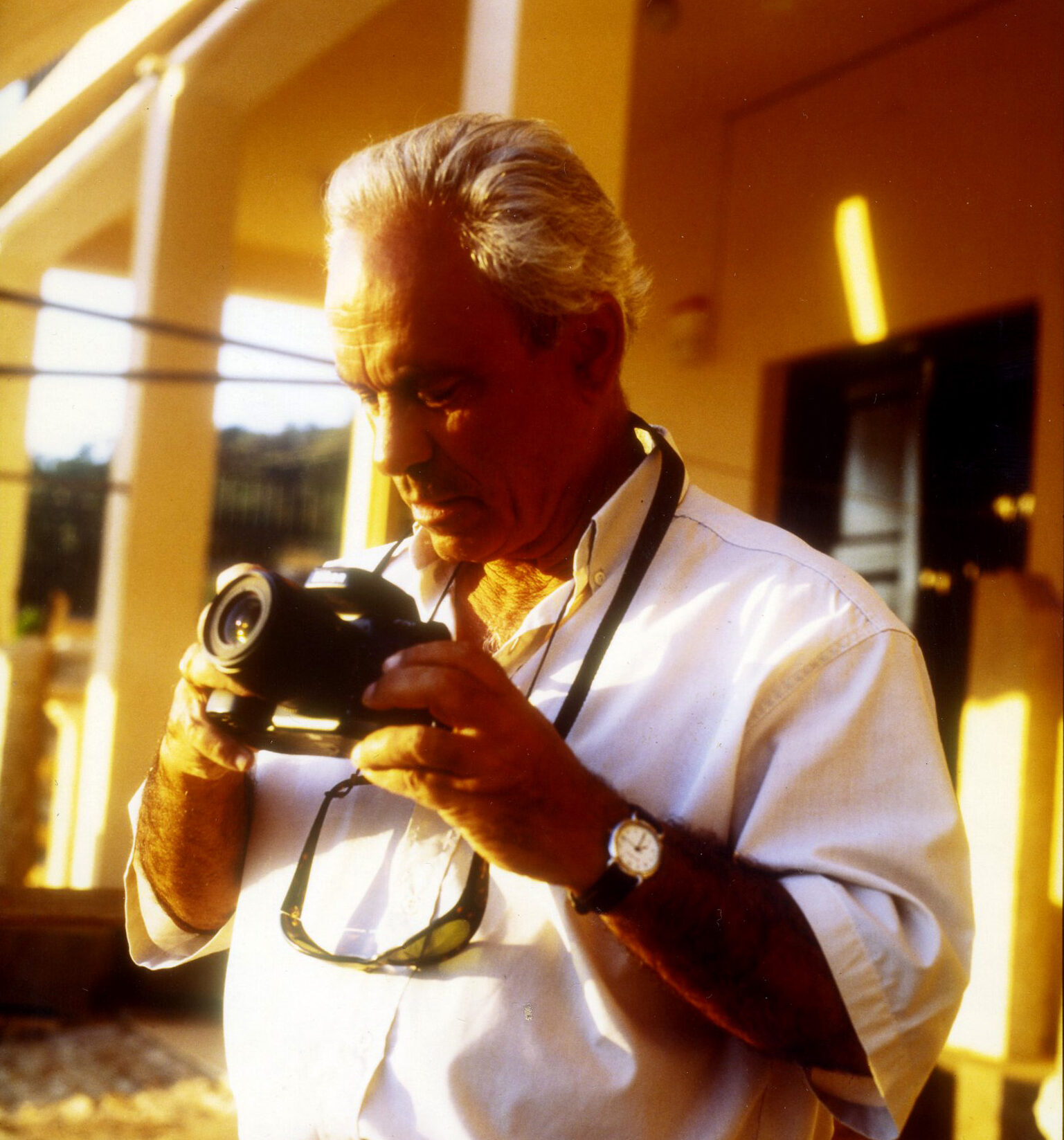
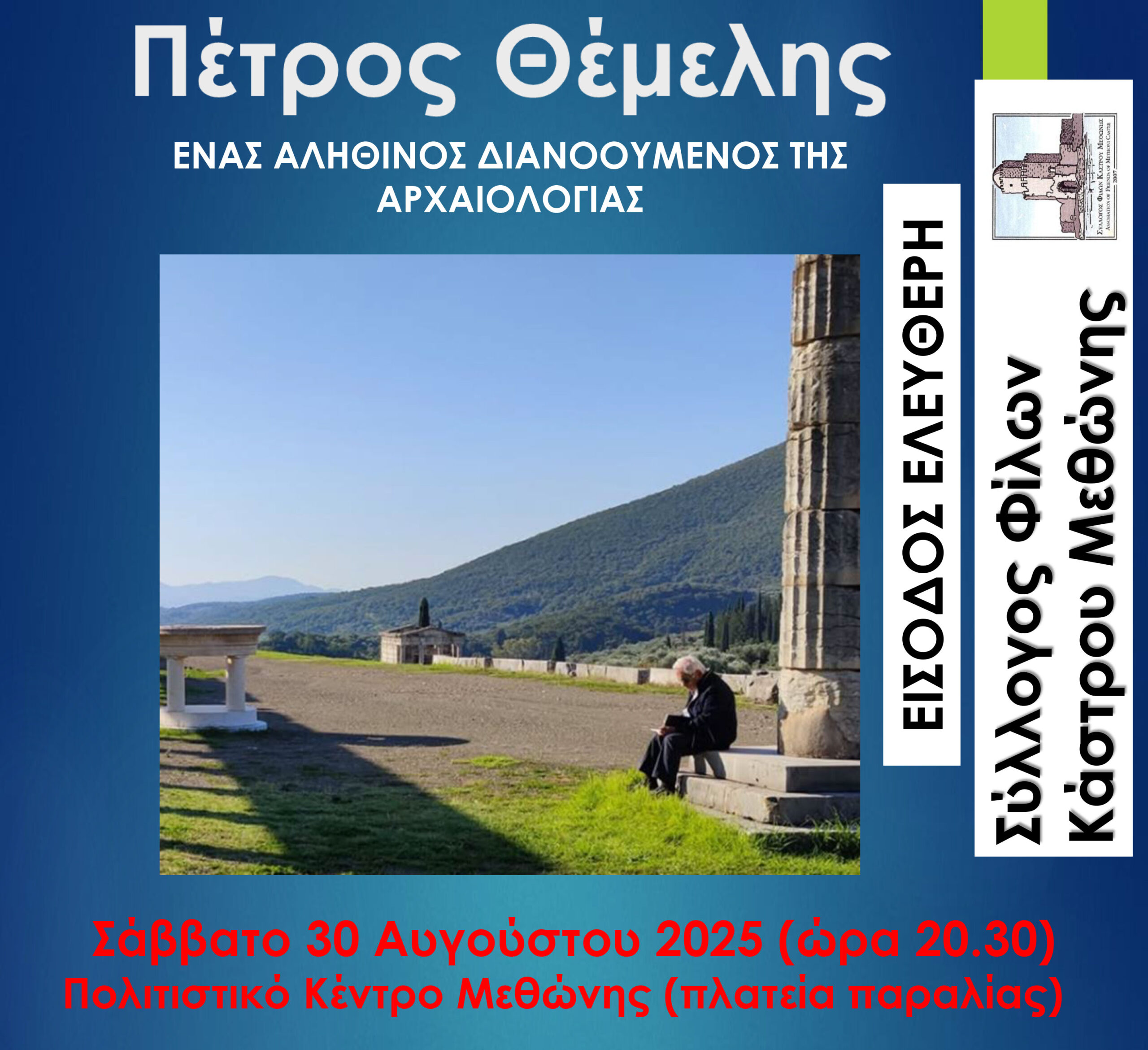
Petros Themelis
If you don't love
the demanding nature of an archaeologist’s work—if you can’t enjoy every moment of the excavation process in the open air, if you aren’t captivated by the natural environment, the interplay of light and shadow, the trees, the mountains—if you don’t love animals, if you aren’t moved by art in general—then I would advise you, my dear teenager, to avoid studying archaeology.
Evi Lampropoulou - President of EMAS
PETROS THEMELIS AND THE ERA THAT FOLLOWED
Petros Themelis is the man who, for 38 years, devoted himself with passion to showcasing the place he loved more than anything else in his life, bringing to light an entire civilization, through many years of excavation and restoration work at the archaeological site of ancient Messene. He was a man who approached monuments and culture in a deeply holistic way, integrating them into our lives and daily routines. He is the one who, alongside his excavation and restoration work, carried out significant social work, providing work experience, expertise, goals, and a vision to many people of Messinia; he was the one who, even in difficult times, did not hesitate to support his work and his employees out of his own pocket. He is the man who showed us, through his way of thinking and his way of life, that beauty lies in simplicity and in the love for what you do. He is the one who generously shared his knowledge and experience with countless students and colleagues who were fortunate enough to learn from him, the one who transformed excavation into an enjoyable and highly educational experience. He is the man who took us on a journey to an era long forgotten for millennia, the one who taught us all, through his own example, that above all else, “the journey is what counts.”
The legacy of his work lies in the people he shaped. That legacy is embodied in all the people he shaped and inspired—the people he trusted and who trusted him, whom he loved and who loved him—his friends, colleagues—it is the Society for Messinian Archaeological Studies (EMAS), which he himself founded—and which Petros Themelis and ancient Messene must ensure lives on forever, just as he himself would have wished.
Following the death of its founder, EMAS has chosen as its new logo the K3 funerary monument, located west of the western colonnade of the Gymnasium. This monument, unique and original in its architectural conception and execution, serves as a landmark not only for the area of the unified Stadium-Gymnasium-Palaestra complex but also for the entire ancient city. At the same time, it serves as a point of reference for the work of the beloved Teacher and Benefactor-Restorer of ancient Messene, Petros Themelis, symbolizing strength and preserving the memory of all those revered dead who, through their deeds, achieved immortality.

Archaeological Museum

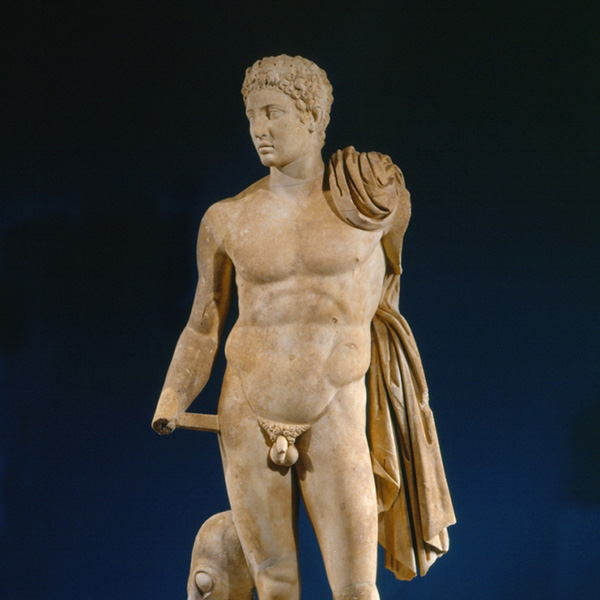
Hermes of Messene
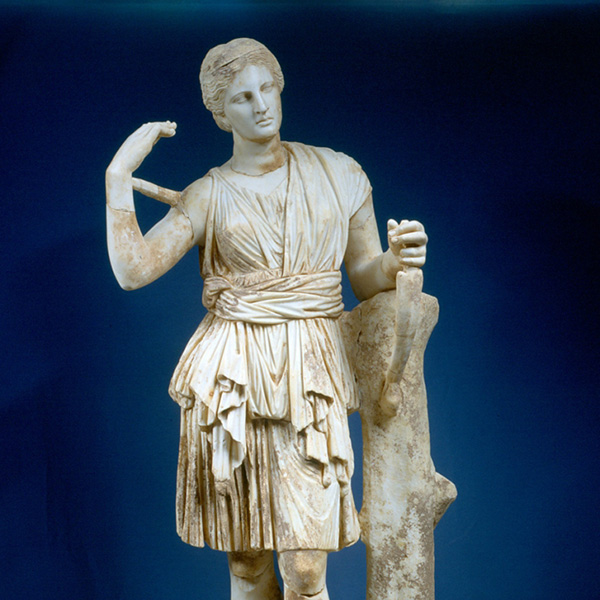
Artemis Lafria
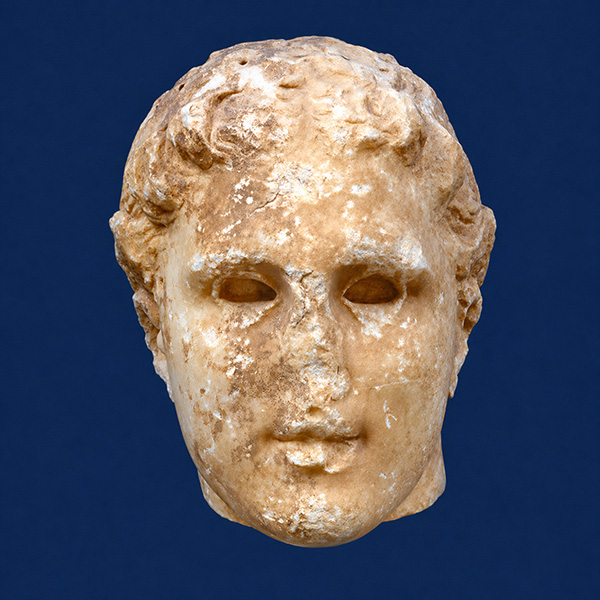
Head of Apollo
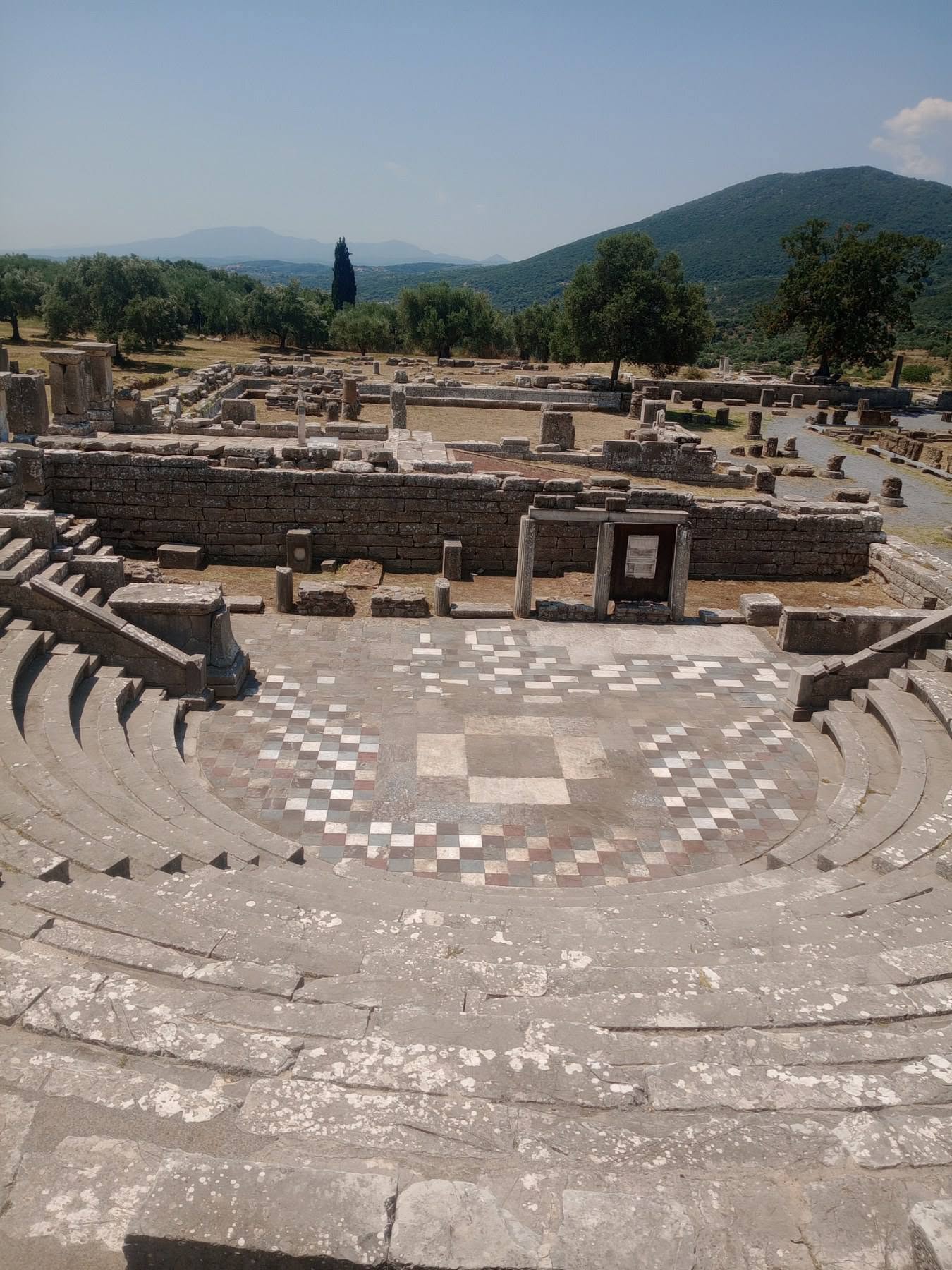
The Museum
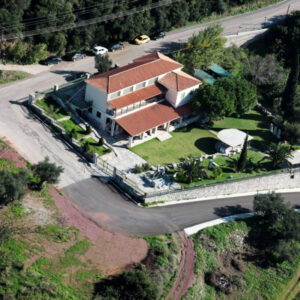
The Archaeological Museum houses artifacts from the excavations conducted by the Archaeological Society at Ancient Messene, which began in 1895 under Themistoklis Sofoulis and were continued by Georgios Oikonomos (1905 and 1926), Anastasios Orlandos (1957–1975), and Petros Themelis (1986 to the present). It was built between 1968 and 1972 on the western outskirts of the village of Mavromati, on a plot of land donated to the archaeological society by D. Latzounis, a member of the Greek diaspora.
The museum is small, two-story, and simple in design. The upper floor features three exhibition halls and a balcony, while the ground floor houses the storage areas. Architectural elements and inscribed pedestals are on display in the museum’s atrium and in the storage areas. Extensive repair and renovation work took place between 1992 and 1999.
The Monuments
The monuments of Ancient Messene—such as the Theater, the Stadium, the Agora, and the Asclepieion—offer a glimpse into the organization and daily life of the city in antiquity. At the same time, the city walls and other structures reveal the development of architecture and technology, helping us understand ancient Greek civilization.
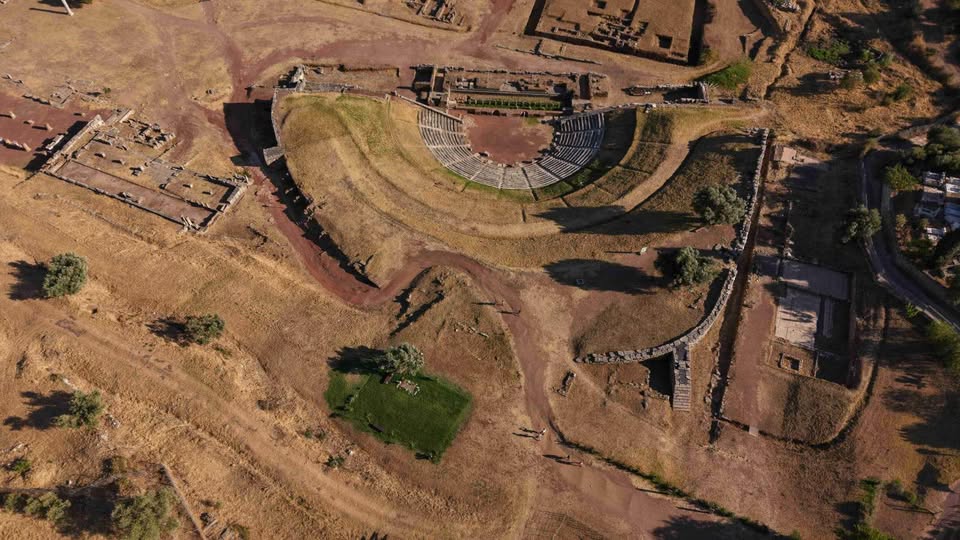
- The Theater
- Theater Houses
- The Arsinoe Fountain
- The Market
- Vasiliki
- The Thermon–Iseio Complex
- The Asclepieion Complex
- The Basilica of the Asclepieion
- The Eastern Road
- The Sacrifice
- Stadios Mansion
- The Gymnasium–Stadium–Palestra Complex
- The K3 Burial Monument
- The Mausoleum of the Saitids
- Funeral Monuments of Arcadia
- The Fortifications
- Sacred Peaks